
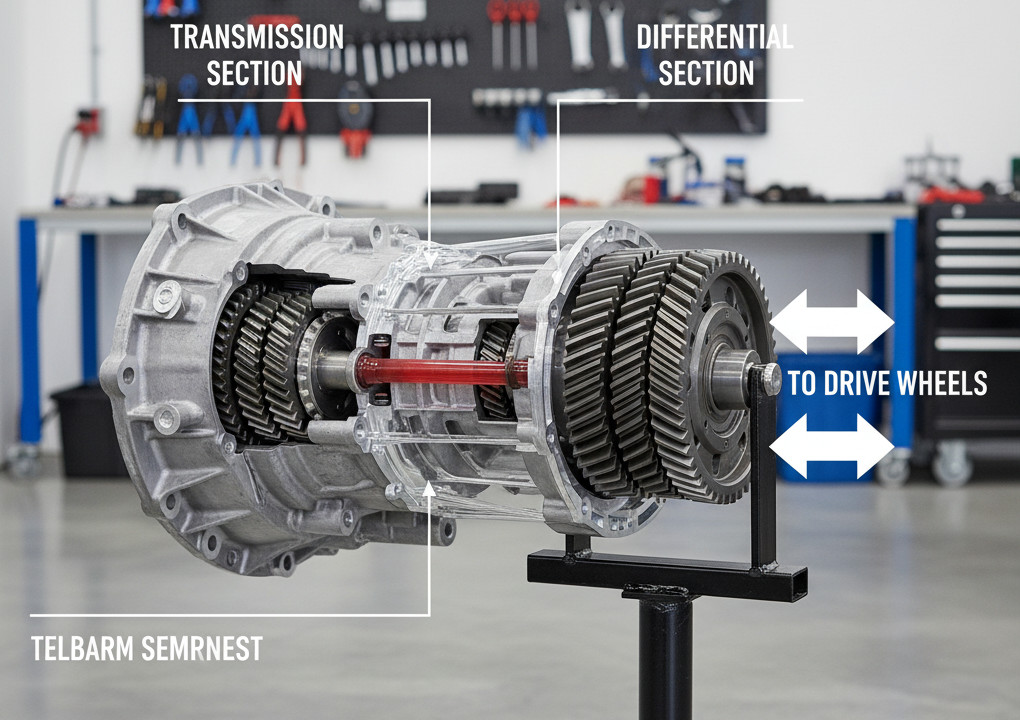
Understanding how your vehicle functions is essential for better performance, fewer repairs, and smarter maintenance decisions. One of the most important yet often misunderstood components in modern vehicles is the transaxle. If you have ever wondered what is transaxle or why it matters, this guide will break everything down in a simple and clear way.
A transaxle combines two major systems of your car into one compact unit, helping the vehicle run smoothly and efficiently. From daily commuter cars to advanced front wheel drive vehicles, the transaxle plays a major role in how power is delivered to the wheels.
In this blog, we will explore what a transaxle is, how it works, the main components, different types, and why it is so crucial for your car’s performance.
Understanding the Transaxle Basics
To put it simply, a transaxle is a single mechanical unit that combines the functions of the transmission and the axle. Instead of having these components separated, many modern cars, especially front wheel drive cars use a transaxle assembly to save space and improve efficiency.
The primary job of the transaxle is to transfer power from the engine to the wheels while also managing gear shifting. This makes it a central part of your vehicle’s drivetrain system.
The Purpose of a Transaxle in a Car
A transaxle has several important roles such as
- Managing the gear ratios
- Transmitting power from the engine
- Allowing the wheels to rotate at different speeds during turns
- Supporting the vehicle structure in many modern designs
Because it does so much, a faulty transaxle can lead to issues like difficulty shifting, strange noises, poor acceleration, or even complete breakdowns.
How Does a Transaxle Work?
Understanding how a transaxle works helps you appreciate its importance. This system receives power from the engine through the driveshaft and uses gears and clutches to adjust the torque before sending it to the wheels.
Step by Step Working Process
- Power enters the transaxle from the engine.
- The transmission section adjusts the gear ratio to match your driving speed and load.
- The differential section splits the power and sends it to each wheel.
- The wheels rotate at different speeds when turning, thanks to the differential inside the transaxle.
In cars with transaxle systems, these processes happen inside one single compact unit which improves efficiency and reduces weight.
Main Components of a Transaxle
A transaxle assembly includes several vital parts. Each plays a specific role in ensuring smooth and safe driving.
1. Transmission Gears
These gears adjust the vehicle speed and torque. Manual and automatic transmissions have different gear designs, but both rely on the transaxle to distribute power.
2. Differential
This component allows the wheels to rotate at different speeds. Without it, taking sharp turns would be difficult and unsafe.
3. Torque Converter or Clutch
Automatic cars use a torque converter while manual cars use a clutch to control the connection between the engine and the transaxle.
4. Housing and Bearings
These support the internal components and protect them from dirt, heat, and impact.
5. Axle Shafts
The axle shafts connect from the transaxle to the wheels to transmit final power.
Different Types of Transaxles
Not all vehicles use the same type of transaxle. The design depends on the drivetrain layout and the vehicle’s overall engineering goals.
Front Wheel Drive Transaxle
This is the most common type found in modern sedans, compact cars, and family vehicles. In front wheel drive transaxle systems, the unit sits at the front of the car and sends power directly to the front wheels.
Rear Wheel Drive Transaxle
In some high performance and luxury vehicles, the transaxle is placed at the rear. This helps improve weight distribution and handling.
All Wheel Drive Transaxle
These systems are more advanced and include transfer cases that help distribute power to all four wheels. This type is often found in SUVs and off road vehicles.
Cars With Transaxle Systems
Many modern cars come with transaxles because they offer better fuel efficiency, lighter weight, and improved space management. You will commonly find transaxle systems in:
- Front wheel drive sedans
- Compact hatchbacks
- Crossovers
- Hybrid vehicles
- Certain sports cars with rear mounted transaxles
Brands like Toyota, Honda, Hyundai, Ford, and many electric vehicle manufacturers commonly use transaxles in their designs.
Benefits of Using a Transaxle in Modern Cars
A transaxle offers multiple benefits compared to traditional separate transmission and axle systems.
1. Better Space Utilization
Since it combines two major components, it saves much needed space especially in compact vehicles.
2. Lightweight Design
Less weight means improved mileage and better handling.
3. Enhanced Efficiency
With fewer moving parts and a compact design, transaxles often deliver smoother and more reliable performance.
4. Improved Driving Comfort
Drivers experience smoother gear shifts and better power delivery.
Common Signs of Transaxle Problems
Like any major component, a transaxle may show warning signs when something is wrong. Some common symptoms include:
- Slipping gears
- Burning smell
- Difficulty shifting
- Leaking fluid
- Strange grinding or humming noises
- Car not moving smoothly
If you notice these symptoms, get your vehicle inspected immediately to avoid costly repairs.
Conclusion
Now you clearly understand what is transaxle, how it works, and why it plays such an essential role in your vehicle. A well functioning transaxle ensures smooth shifting, proper power distribution, and reliable performance on the road.
If you ever face transaxle issues or need expert diagnosis, trusted specialists like Tip Top Hybrid can help you keep your vehicle running at its best. Regular maintenance and early inspection can save you from major repairs down the road.
Frequently Asked Questions
A transaxle combines the transmission and differential into one unit to manage gears and deliver power to the wheels.
No. While common in front wheel drive cars, transaxles are also used in rear wheel drive sports cars and all wheel drive vehicles.
With proper maintenance, a transaxle can last more than 150000 miles depending on driving habits and care.
Most transaxles use specialized automatic transmission fluid or manual gear oil depending on the system design.
Yes, but the repair depends on the damage. Some cases require rebuilding while others may need a complete replacement.