
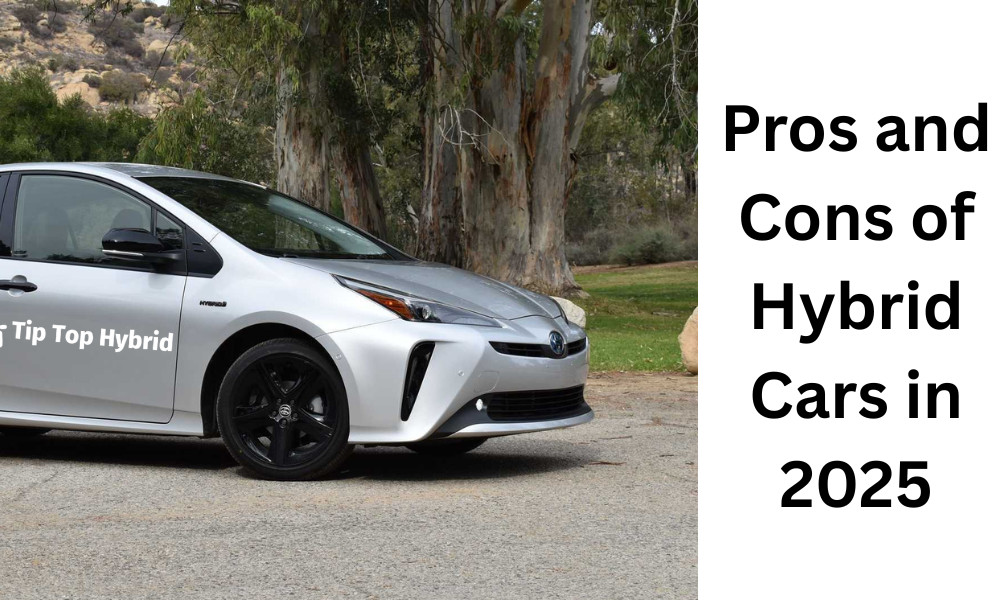
Hybrid cars have become a popular choice among drivers who want to save fuel and reduce emissions without giving up convenience. These vehicles combine a fuel engine with an electric motor, offering both performance and efficiency. Let’s explore the main advantages and disadvantages of hybrid cars to help you decide if they’re the right option for you.
What Are Hybrid Cars and How They Work
A hybrid car uses both gasoline and electric power to move the vehicle. The electric motor supports the engine during acceleration and sometimes powers the car alone at low speeds, especially in city traffic. This helps reduce fuel use and lowers pollution. Depending on the type, such as mild, full, or plug-in hybrids, the role of the electric motor can vary.
If you already own a hybrid, regular hybrid battery replacement and system checks help maintain performance and efficiency over time.
Advantages of Hybrid Cars
Lower Emissions
Hybrid vehicles produce fewer harmful gases compared to regular cars, which means they’re better for the environment and help reduce your carbon footprint.
Better Fuel Efficiency
Since the electric motor assists the engine, hybrid cars consume less fuel. This makes them ideal for city driving and saves money at the gas station. Many local auto repair shops now specialize in maintaining hybrid systems to ensure peak efficiency.
Less Dependence on Fuel
Hybrids rely less on gasoline, helping reduce fossil fuel demand and save natural resources. With rising fuel prices, this benefit is more valuable than ever.
Smooth and Quiet Ride
The electric motor offers silent and smooth driving, especially at lower speeds. This makes urban driving calmer and more comfortable for passengers.
Regenerative Braking
Many hybrids come with regenerative braking, which turns braking energy into electricity to recharge the battery. This system improves energy efficiency and extends the life of the braking system.
Government Incentives
Some governments provide rebates, tax credits, or discounts for buying hybrid cars. These incentives help balance the higher purchase cost.
Disadvantages of Hybrid Cars
Higher Purchase Cost
Hybrid cars are more expensive than regular vehicles because of their advanced engines and batteries. However, the long-term fuel savings and lower emissions often justify the investment.
Costly Maintenance
The dual system of electric and fuel components can make maintenance more complex. It’s best to visit a professional hybrid repair service that specializes in both systems to ensure proper care.
Limited Electric Power
Most hybrids cannot travel far using electric power alone. The gasoline engine starts automatically after a short distance, which may not suit drivers who prefer full electric driving.
Battery Replacement
Over time, hybrid batteries lose capacity and may need replacement. A professional hybrid battery replacement can restore the vehicle’s performance and fuel economy, but it can be costly.
Smaller Storage Space
The battery and electric components take up space, which slightly reduces the car’s cargo area.
Hybrid Cars vs Electric Cars
Both hybrid and electric cars are better for the environment, but they differ in how they operate. Electric vehicles run only on battery power and produce zero emissions, while hybrid cars still use gasoline but offer more flexibility for long trips. Unlike electric cars that need charging stations, hybrids can refuel quickly at any gas station or auto repair shop offering maintenance for hybrid systems.
Are Hybrid Cars Right for You
If you drive mostly in the city, a hybrid car can be an excellent choice. You’ll save money on fuel, lower emissions, and enjoy a smoother drive. However, if you want to avoid using gasoline completely, an electric car might be a better option. Always schedule regular hybrid repair services to keep your vehicle running efficiently and extend its lifespan.
Conclusion
Hybrid cars offer an excellent balance of performance, fuel efficiency, and environmental benefits. Although they may have a higher initial cost and a limited electric range, the advantages such as lower emissions, improved fuel economy, and reduced fuel dependency make them a smart option for modern drivers. With regular hybrid battery maintenance and timely auto repair services from Tip Top Hybrid, you can keep your hybrid vehicle running efficiently for years. Contact us today to schedule a service or learn more about how we can help maintain your hybrid car’s performance.
Frequently Asked Questions
Hybrid cars offer better fuel efficiency, lower emissions, and a quieter driving experience. They also reduce fuel dependency and may qualify for government incentives or tax credits.
Hybrid cars have a higher upfront cost, complex maintenance needs, and limited electric range. The battery may need replacement after several years, which can be expensive.
Most hybrid car batteries last between 8 to 10 years, depending on driving habits and maintenance. Regular checkups and proper charging habits can extend battery life.
Hybrid maintenance can be slightly more costly because of its dual power system. However, using a certified hybrid repair service helps prevent bigger issues and keeps costs manageable.
Hybrid cars are great for drivers who want to save fuel but still prefer the flexibility of gasoline. Electric cars produce zero emissions but need charging stations and have a limited range.