
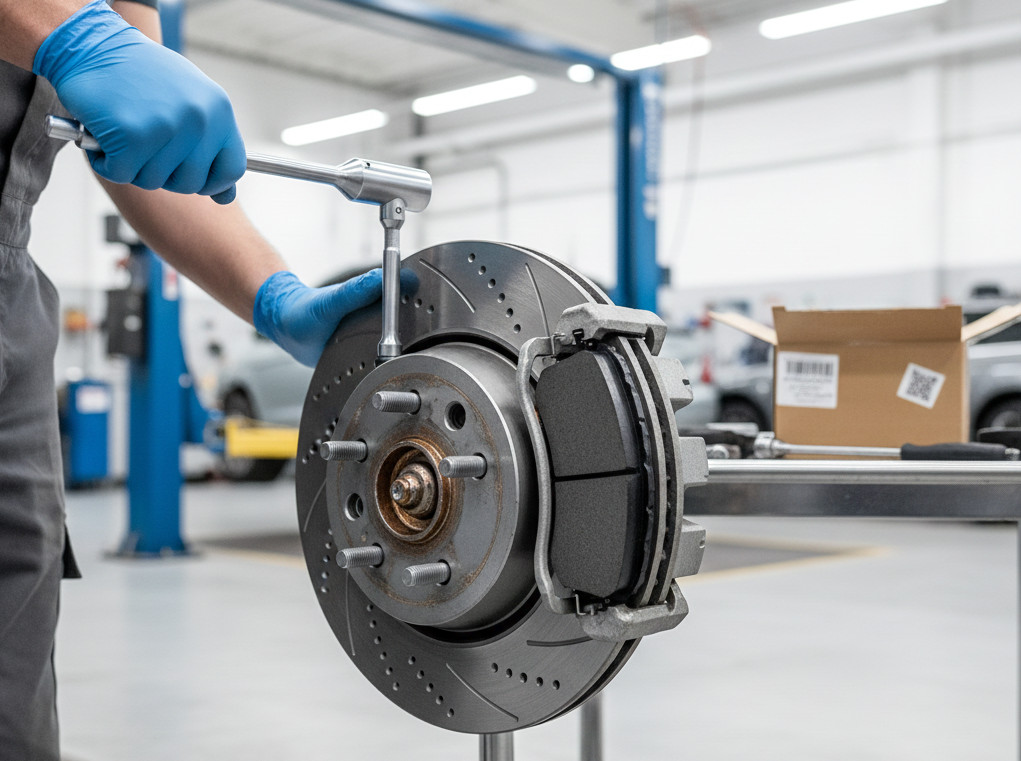
Brakes are the most crucial safety system in your vehicle, yet their maintenance is often overlooked. Knowing how to know if you need new brake pads can make all the difference in preventing costly repairs and, most importantly, keeping you and your passengers safe. If you’re unsure about the warning signs or the right time for a brake service, this guide breaks down everything—from the lifespan of brake pads, to when to change, and what signs to watch for.
Why Brake Pad Maintenance Matters
Neglecting brake pad replacement can put your safety on the line and lead to expensive repairs. The braking system relies on friction between the pads and rotors. As brake pads wear, they lose effectiveness, increasing stopping distance and causing damage to other components.
How Long Do Brake Pads Last?
One of the most common questions is: how long do brake pads last? In general, brake pads can last anywhere from 20,000 to 70,000 miles. However, several factors affect their lifespan:
- Driving habits (aggressive braking wears pads faster)
- Road conditions (urban, stop-and-go traffic increases wear)
- Vehicle type and brake pad material (ceramic vs. organic vs. metallic)
While mileage matters, time is also a factor. Even lightly driven cars should have their brakes checked regularly, as pads can degrade due to age.
Signs of Bad or Worn Brake Pads
Understanding the signs of bad brake pads is central to car safety. Here’s what to watch for:
1. Squeaking or Squealing Noises
A high-pitched squeal when pressing the brake pedal is a telltale sign of worn brake pads. This sound often comes from a small metal wear indicator built into the pads that purposely emits noise when pads get thin.
2. Grinding Sound
A grinding or scraping noise means the pads are completely worn down, allowing metal-to-metal contact. This can quickly damage the rotors and lead to a more expensive repair.
3. Vibration or Pulsation While Braking
If you feel vibration in the brake pedal or steering wheel, this could be due to uneven pad wear or warped rotors—both requiring immediate attention.
4. Longer Stopping Distances
Another indicator of when to change brake pads is if it takes longer than usual for your vehicle to stop. This means your brake pads may be too thin or have lost their friction material.
5. Thin Brake Pads (Visual Inspection)
You can visually check the condition by looking through the wheel spokes. If the pad is less than 1/4 inch thick, it’s time for a replacement.
6. Brake Pad Indicator Light
Modern vehicles come equipped with dashboard warning lights that detect low brake pads. Don’t ignore these alerts—schedule a check-up as soon as the light appears.
When Should You Change Your Brake Pads? Tips for Timely Replacement
The most important tip: don’t wait for performance to drop or noises to get worse. Here’s how often to change brakes for optimal safety:
- Check brake pads at every oil change or at least every 6 months
- Replace pads when thickness drops below manufacturer specs
- Listen and watch for the signs above
Changing your brake pads before they’re worn completely protects your rotors, calipers, and overall braking system.
Worn Brake Pads vs New: What’s the Difference?
Worn brake pads are thin, may show scores or grooves, and rarely function quietly. New brake pads, on the other hand, are thick with even, clean surfaces, offering optimal braking power. As pads wear, braking distance increases, noise becomes more pronounced, and hazards multiply.
Brake Pad Lifespan: Maximizing Performance
The brake pad lifespan depends on more than just mileage. Regular maintenance, cautious driving, and early replacements will keep your brakes effective longer and save you money in the long run.
Pro Tips to Extend Brake Pad Life
- Avoid excessive hard braking
- Coast and slow down gradually when possible
- Have your brakes professionally inspected twice a year
- Replace pads with high-quality parts for your specific vehicle
Conclusion
Understanding how to know if you need new brake pads is essential for every driver. Listening for noises, watching for warning lights, and scheduling regular inspections ensures stopping power and avoids larger repair bills. Prioritize your safety—don’t delay brake pad replacement when warning signs appear.
At Tip Top Hybrid, we specialize in Toyota Prius and Auto Repair services, ensuring your brakes are always in top condition. Book your appointment for a detailed inspection and enjoy peace of mind knowing your vehicle is in expert hands.
Frequently Asked Questions
Most brake pads last between 20,000 and 70,000 miles, depending on driving habits, road conditions, and brake material.
Listen for squeaking, grinding noises, feel for vibrations, look for increased stopping distances, and check if your brake pad warning light is on.
Inspect brake pads every six months or during every oil change, and replace them when they’re below 1/4 inch thick.
Yes, ignoring worn pads can damage rotors and calipers, leading to more expensive repairs and reduced braking effectiveness.
No, driving with worn brake pads increases stopping distance and risks complete brake failure—never delay replacement once signs appear.