
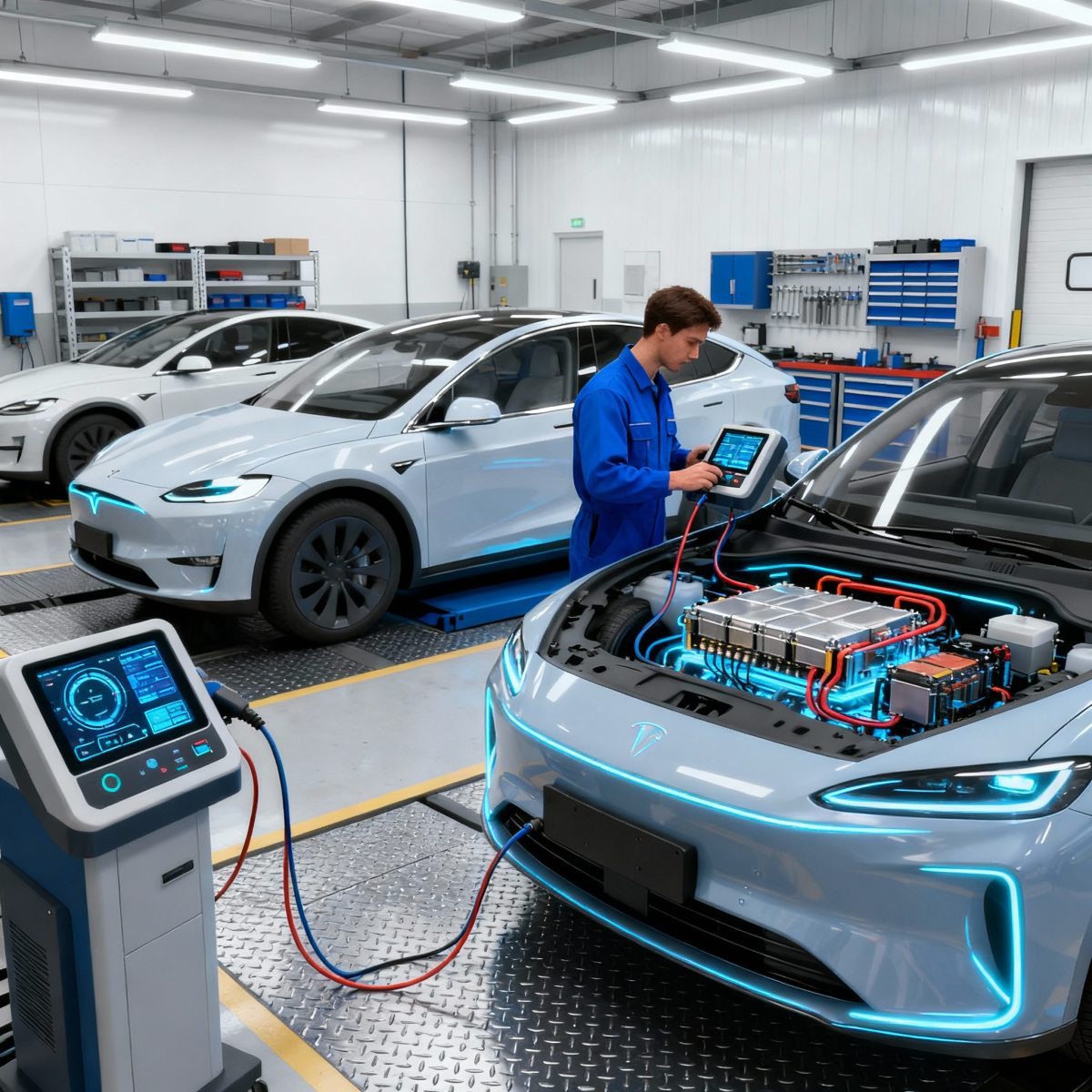
The auto repair industry is going through one of its biggest transformations in decades. With rapid advancements in electric mobility, artificial intelligence, and data analytics, auto shops are evolving faster than ever. These auto repair trends are shaping how mechanics diagnose, maintain, and repair vehicles—helping drivers save time, money, and trouble on the road.
Whether you drive a hybrid, an electric vehicle (EV), or a traditional gas-powered car, understanding the newest developments in the field will help you keep your car in peak condition. Let’s explore the most exciting auto repair trends of 2025 and how they’re changing the future of car maintenance.
The Shift Toward Predictive Car Maintenance
In 2025, predictive car maintenance is redefining how vehicles are serviced. Instead of waiting for problems to appear, mechanics and drivers can now predict potential failures before they even occur.
What Is Predictive Maintenance?
Predictive car maintenance uses real-time data, sensors, and artificial intelligence to monitor the health of various vehicle components. These systems collect information from engine sensors, tire monitors, and onboard computers, sending alerts when performance starts to decline.
For example:
- An engine sensor may detect unusual vibration patterns or excess heat.
- Brake systems can predict wear and alert drivers before safety is compromised.
- AI algorithms analyze driving habits, mileage, and conditions to recommend the best maintenance schedule.
Benefits for Drivers and Repair Shops
This technology minimizes unnecessary repairs and prevents costly breakdowns. Drivers save money, and auto repair shops can plan appointments more efficiently. The outcome is a smoother, more transparent service experience that benefits both sides.
Predictive maintenance is no longer reserved for luxury cars; even mid-range models now integrate advanced diagnostics as standard features.
Adapting to Hybrid Vehicle Repair Needs
Another major trend influencing 2025’s landscape is the growth of hybrid vehicle repair. With millions of hybrids now on the road, these vehicles demand technicians who understand their complex systems.
Why Hybrid Cars Require Specialized Care
Hybrid vehicles combine internal combustion engines with electric powertrains. This dual structure leads to unique challenges, such as:
- Managing complex cooling and electrical systems.
- Handling high-voltage components safely.
- Ensuring optimal battery efficiency and system integration.
Not every mechanic can service hybrid models without the right training. That’s why many auto shops are now investing in hybrid certification programs and specialized diagnostic tools.
Key Services for Hybrid Vehicle Owners
Hybrid repair involves a variety of advanced procedures:
- Battery testing and conditioning to maintain energy efficiency.
- Inverter and converter repairs that keep electrical systems running smoothly.
- Regenerative braking system maintenance to ensure proper energy recovery.
As hybrid ownership continues to rise, the demand for qualified technicians will keep growing. Shop owners who adapt early will stand out in a competitive market.
The Surge in Electric Vehicle (EV) Maintenance
With EV sales breaking records worldwide, electric vehicle (EV) maintenance has become one of the fastest-growing segments in the automotive industry. Although EVs require fewer moving parts than gas engines, they still need routine care to ensure performance and safety.
Common EV Maintenance Services
EV drivers often assume their cars are “maintenance-free,” but that’s not entirely accurate. Regular EV servicing includes:
- Software updates to maintain battery management efficiency.
- Brake fluid and cooling system checks.
- Tire rotation and alignment to offset weight distribution from heavy batteries.
- Battery health inspections, including voltage testing and thermal management.
The Importance of Qualified EV Technicians
Repairing and maintaining electric vehicles requires expertise in high-voltage systems and deep knowledge of battery chemistry. The best auto repair shops are already equipping their teams with specialized EV tools and safety training.
In 2025, the shops that embrace EV technology will lead the industry, offering reliable and future-ready services for an evolving customer base.
Reinventing Brake Repair in a High-Tech Era
Brake systems are among the most vital components of any vehicle—and they’re also being transformed by technology. The latest auto repair trends show that even this traditional service area is entering a new phase of innovation.
Smart Brake Diagnostics
Today’s braking systems include sensors that communicate with vehicle computers. Modern diagnostic tools can:
- Identify uneven pad wear through onboard data.
- Track hydraulic pressure to predict potential leaks.
- Optimize regenerative braking in hybrids and EVs.
Smart braking technology improves safety and reduces the frequency of emergency repairs, making it an essential trend for drivers to watch.
Eco-Friendly Brake Materials
In 2025, environmental sustainability is driving another major shift. Many auto repair shops are switching to eco-friendly brake pads and rotors that produce less dust and last longer. These advances help protect the environment while maintaining strong stopping power.
The Future of Auto Repair Shops in 2025
Auto repair shops in 2025 look different from those of just a few years ago. They have become centers of technology, data-driven diagnostics, and sustainable practices.
Key Features of Next-Generation Repair Shops
- Cloud-connected diagnostic platforms
- Highly trained hybrid and EV specialists
- Contactless service bookings and remote diagnostics
- Environmentally conscious materials and recycling programs
These shops are also using customer data to personalize maintenance reminders, creating a smoother experience for vehicle owners.
How to Stay Ahead as a Vehicle Owner
Whether you drive a compact hybrid or a powerful EV, staying informed about auto repair trends will help you make smarter decisions about maintenance and repairs. To get the most from your car:
- Keep up with manufacturer-recommended software updates.
- Choose certified hybrid or EV repair specialists.
- Embrace predictive maintenance alerts early.
- Schedule regular inspections for brakes, coolant, and batteries.
Proactive care is the best way to extend your vehicle’s lifespan and ensure maximum efficiency.
Conclusion
The automotive world is evolving rapidly, and these auto repair trends of 2025 highlight just how far maintenance technology has come. From predictive analytics to specialized hybrid and EV repairs, the industry is smarter, faster, and greener than ever.
At Tip Top Hybrid, we specialize in Toyota Prius and Auto Repair services that keep your vehicle running efficiently. Our tech-driven solutions and certified technicians ensure every car—whether gas, hybrid, or electric—gets the quality care it deserves. Visit us today to experience the future of auto repair.
FAQs
Predictive car maintenance uses data from vehicle sensors and AI algorithms to forecast when specific parts will need service, preventing unexpected breakdowns.
Yes, EVs often cost less to maintain since they have fewer moving parts. However, specialized care for batteries and electrical systems can still require expert technicians.
Most hybrid vehicles need routine maintenance every 6–12 months, depending on driving conditions and manufacturer guidelines.
Squeaking noises, vibrations, or longer stopping distances indicate your brakes need attention. Modern systems may also trigger dashboard warnings.
Not always. EVs require certified technicians with high-voltage training and the right diagnostic tools to service batteries and electrical systems safely.